June 9, 2026
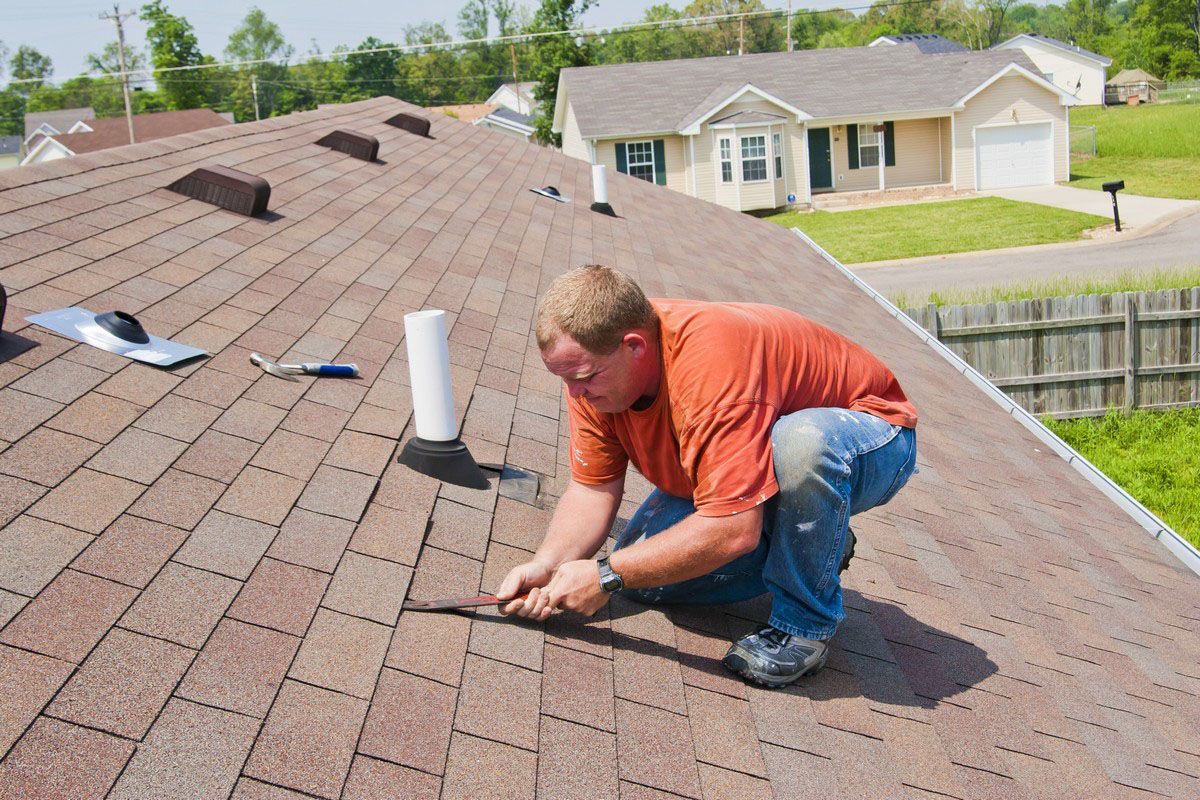
A roof that fails unexpectedly puts everything beneath it at immediate risk, and the window between when damage occurs and when water begins infiltrating the structure is often measured in hours rather than days. Whether the cause is a sudden severe storm, a persistent slow leak that finally breaches the interior, or the kind of dramatic damage that leaves visible gaps in the roofline, the speed and quality of the professional response determines how much secondary damage the household will face beyond the initial roofing failure. Illinois homeowners in the Chicagoland area deal with some of the most demanding weather conditions in the country, including hail, high winds, ice dams, and heavy snow loads that test every roofing material throughout the calendar year. Understanding what emergency roofing intervention involves and why it needs to be done right the first time gives homeowners the clarity to act decisively and protect their investment when the situation demands an immediate response.
Understanding How Often Storm Damage Drives Roof Replacements
According to RubyHome, 33% of all homeowners who replace their roofs in 2026 do so specifically because of storm damage, which gives a striking sense of how frequently severe weather creates roofing failures that cannot be addressed through repair alone and require a complete system replacement to fully restore the home's protection. Emergency roof repair that is performed promptly and competently after a storm event allows homeowners to accurately assess the full extent of the damage before deciding whether targeted repair or full replacement is the most appropriate and cost-effective path forward for the specific condition of the roof. A rapid and thorough damage assessment performed by a certified professional immediately following a weather event gives the homeowner the accurate information they need to make a well-informed decision rather than guessing at the scope of the damage from the ground or from a cursory interior inspection alone.
Responding to Active Leaks Before Secondary Damage Compounds
An active roof leak is one of the most time-sensitive situations a homeowner can face because the water that enters through a compromised area does not stop at the first surface it contacts — it migrates through insulation, penetrates wood framing, saturates drywall, and can reach electrical systems in the structure before the full extent of the infiltration becomes visible from the interior of the home. Emergency roof repair that responds to an active leak promptly limits the total volume of water that enters the structure and reduces the secondary damage repair costs that accumulate when water intrusion continues unchecked for even a short period after the initial breach. The 24/7 availability of an emergency roofing team that can apply temporary waterproofing measures and complete structural repairs during after-hours and weekend calls is one of the most practically valuable capabilities a homeowner can have access to when an unexpected roofing failure occurs during the night or on a weekend morning when regular service scheduling would otherwise leave the home exposed for days.
Using Professional Leak Detection to Find the True Source
One of the most common errors made in roofing emergencies is assuming that the visible interior damage point corresponds to the actual location where water is entering the roof system, when in reality water often travels significant horizontal distances along structural members, through insulation, and across vapor barriers before it produces visible evidence at a ceiling or wall surface below. Emergency roof repair that begins with professional leak detection services rather than immediately targeting the obvious interior symptom produces more accurate and more durable results because the repair is made at the actual point of failure rather than at a secondary manifestation of the problem that will continue recurring as long as the original entry point remains unaddressed. Accurate leak source identification also prevents homeowners from investing repair dollars in the wrong area of the roof and then facing the same interior symptoms again following the next significant rainfall because the actual breach was never located or corrected.
Addressing Storm Damage Repair Across All Roofing Materials
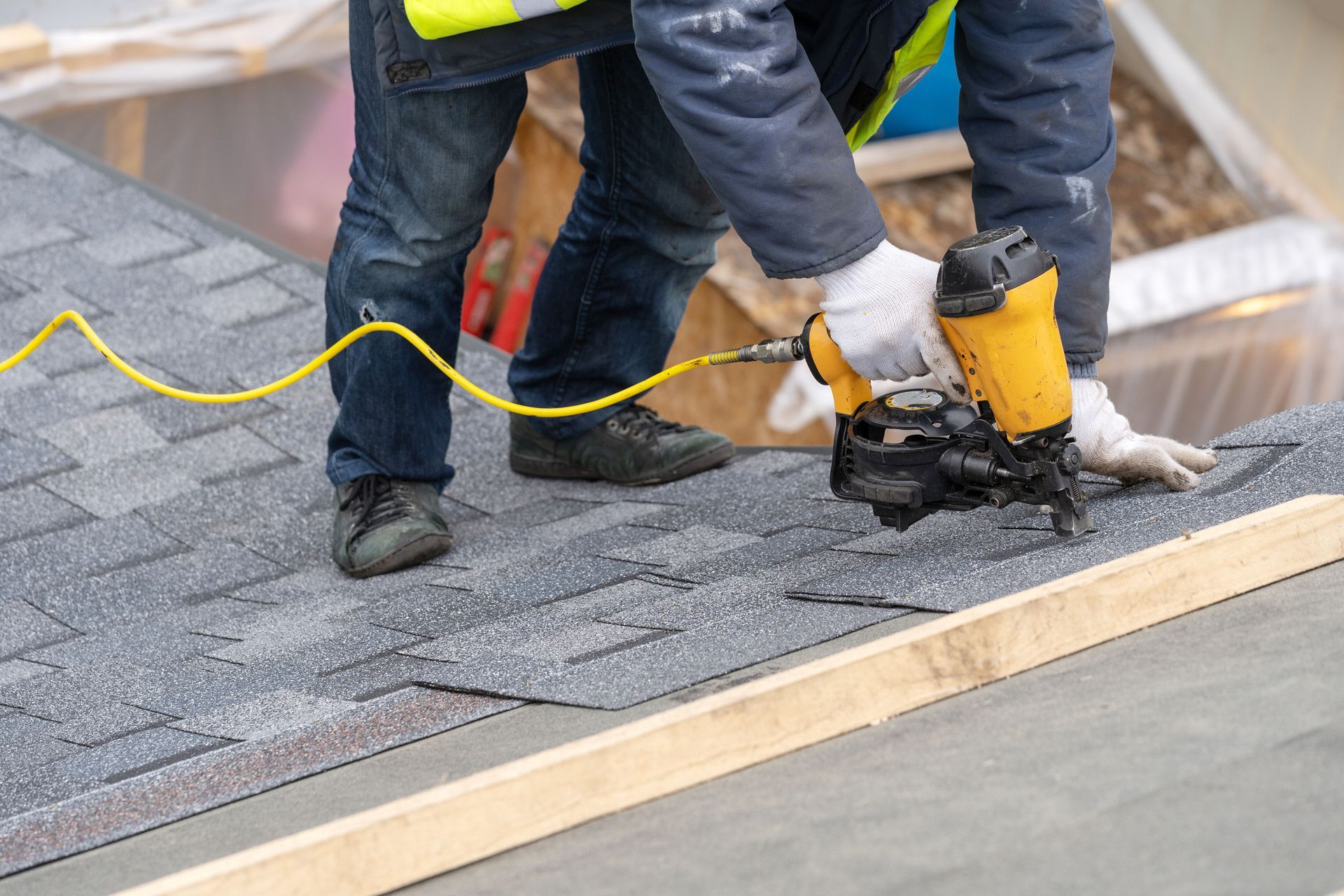
Chicagoland homes are covered in a wide variety of roofing materials, including asphalt shingles, cedar shake, metal roofing, and TPO flat roofing systems, and effective storm damage repair requires the specific knowledge and material expertise appropriate for the particular system that has been damaged, rather than a generic approach that may be appropriate for one material but inadequate or even harmful for another. Emergency roof repair performed on an asphalt shingle roof involves different techniques, materials, and repair sequences than the same category of urgent intervention performed on a cedar shake, metal, or TPO system, and a provider with certified expertise across all four material categories can handle any residential roofing emergency they encounter without needing to refer the homeowner elsewhere. GAF and Owens Corning certification demonstrates that the installation and repair team has met the training and quality standards required by leading manufacturers whose materials cover a significant portion of the residential roofing market in the greater Chicago metropolitan area.
Repairing Chimney Flashing and Valleys as Common Failure Points
Two of the most frequent sources of roofing emergencies that are not directly caused by physical material damage are chimney flashing failures and valley deterioration, both of which allow water to enter the structure at transition points where different roofing planes or roofing materials meet and where improper installation or age-related degradation creates gaps that precipitation exploits during rain or snowmelt events. Emergency roof repair for chimney flashing addresses the metal or rubber transitions around the chimney that seal the critical junction between a vertical masonry surface and a sloped roof, which is one of the highest-risk leak locations on any home with a chimney because it combines thermal movement, exposure, and material interface challenges in a single concentrated area. Valley repair services address the formed channels that direct water from the intersection of two roof planes toward the gutters, and a valley that has developed gaps, corrosion, or physical damage quickly becomes a concentrated entry point for large volumes of water during a heavy rain event.
Protecting the Roof Deck From Moisture Damage During and After Repair
When a roofing emergency allows water to penetrate the surface layer and reach the roof deck, the structural plywood or OSB beneath the shingles begins absorbing moisture that weakens its integrity and creates the conditions for rot, mold growth, and eventual structural compromise if the damaged decking is not identified and addressed as part of the repair process. Emergency roof repair that includes roof deck inspection and repair ensures that the new surface material being installed is going over a sound and dry substrate that will support the roofing system's full performance life rather than beginning its service over damaged material that will continue to deteriorate and affect the overlying installation from below. Roof waterproofing services applied during an emergency repair create an additional barrier between the repaired surface and the structural deck, which provides an extra layer of protection during severe weather events and extends the resilience of the emergency repair until a more comprehensive assessment and permanent solution can be planned and executed at the appropriate time.
Emergency roofing situations demand a combination of speed, technical accuracy, material expertise, and genuine commitment to doing the job right rather than simply doing it quickly enough to move on to the next call on a busy service schedule. From active leaks and storm damage to flashing failures, valley deterioration, and deck damage, every roofing emergency responds best to a team that brings the certified knowledge and the comprehensive service capabilities to address every aspect of the failure, rather than only the most visible symptom. Lakeshore Builders Restoration has proudly served homeowners throughout Elgin and the Chicagoland area for over 25 years, offering emergency roof repair, storm damage repair, leak detection services, chimney flashing repair, valley repair, roof deck repair, roof waterproofing, roof inspection services, asphalt shingle and cedar shake and metal and TPO repair and installation, roof replacement, gutter services, siding installation, skylight repair, soffit services, window replacement, and deck services, all backed by 24/7 emergency availability with after-hours and weekend appointments, free consultations, price matching with written quotes, financing options, extended warranties, GAF and Owens Corning certification, discounts for active military and veterans, and over 6,000 completed projects across the region. For more information, contact us today!