October 7, 2026
Your home's roof serves as its primary defense against severe weather, water damage, and environmental wear. Over the years, constant exposure to intense sunlight, heavy rain, snow, and strong winds causes materials to degrade. While regular inspections and minor repairs can extend its lifespan, every roofing system eventually reaches the end of its functional life. Recognizing the warning indicators early allows homeowners to plan for upgrades before major structural damage occurs. In fact, according to WifiTalents, residential roofing work consists overwhelmingly of replacement projects, which account for 94% of the total segment volume, proving that updating aged structures is a routine part of home ownership. Here are the key indicators that your home needs a new roof.
1. Observing Curling, Buckling, or Missing Shingles
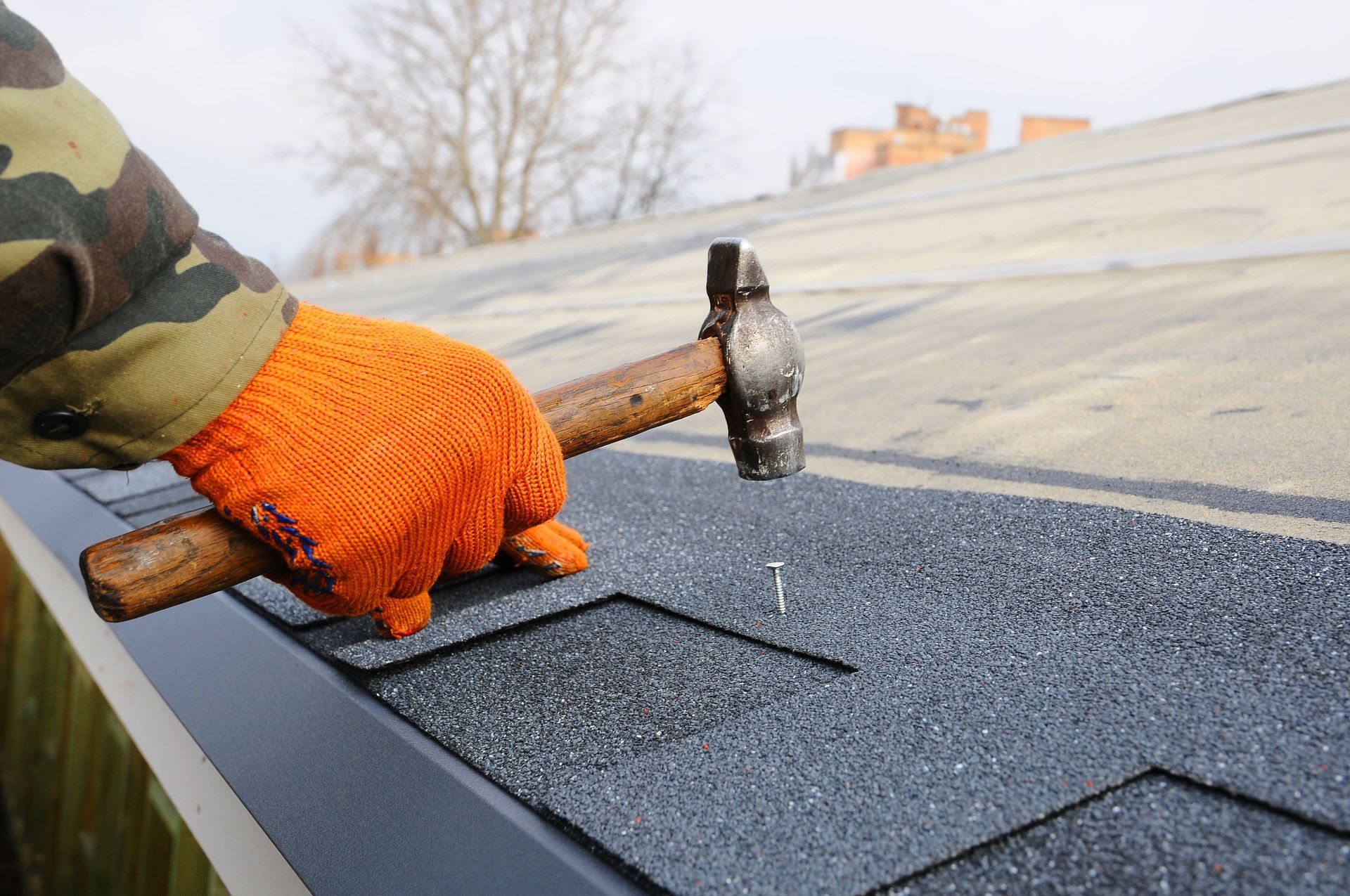
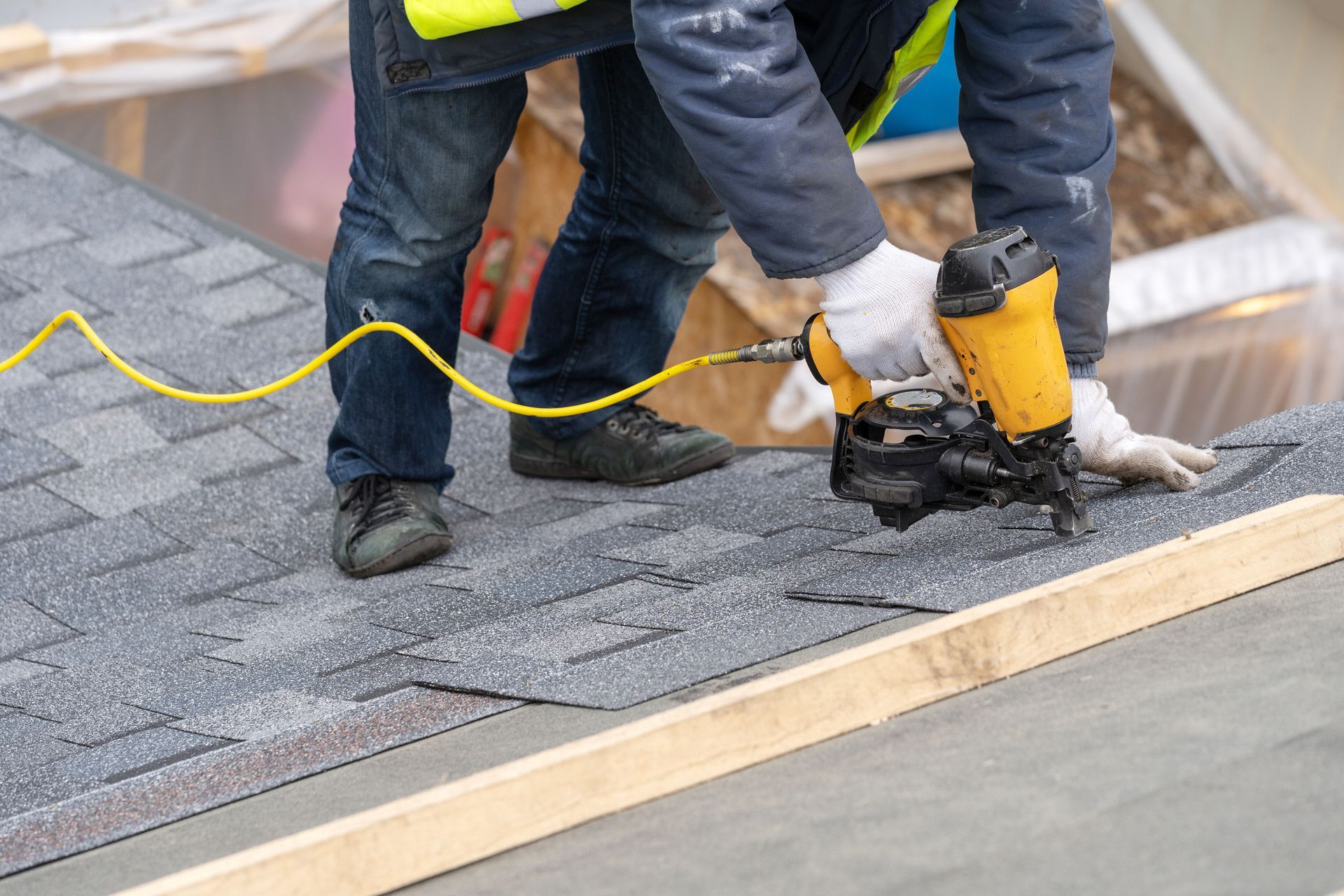
One of the most obvious signs that your roofing materials are failing is physical damage to the shingles themselves. As asphalt shingles age and lose their flexibility, their edges often curl upward or cup inward, exposing the underlayment to the elements. High winds can catch these brittle, compromised shingles and lift them off the structure entirely. When large patches of shingles are missing, or when you notice widespread buckling across the slopes, the overall weather barrier has been severely compromised. Contacting experienced roofers to assess the extent of physical shingle failure will help determine whether localized repairs are possible or if full structural replacement is required to safeguard your home.
2. Finding Excessive Granules in Your Gutter System
Asphalt shingles are coated with mineral granules that shield the underlying asphalt from harsh ultraviolet rays and provide fire resistance. During the initial installation, losing a few loose granules is completely normal. However, finding thick layers of dark granules accumulating in your gutters or downspouts on an older roof indicates advanced material degradation. As shingles lose their protective granules, the asphalt underneath dries out, becomes brittle, and cracks under solar exposure. When your shingles start displaying bare, discolored patches where granules have washed away, the material can no longer effectively repel water, signaling that a full replacement should be planned soon.
3. Detecting Spongy Decking and Interior Water Leaks
Water infiltration inside your home is a clear warning sign that your barrier system has failed. If you notice water stains, dark spots, or peeling paint on your ceilings and upper interior walls, moisture is penetrating your exterior defenses. In the attic, inspecting the underside of the roof decking during or immediately after heavy rainfall can reveal active leaks, water trails, or damp insulation. Furthermore, walking carefully along the roof plane or attic rafters may reveal soft, spongy areas where wood decking has rotted from long-term moisture exposure. When water damage becomes widespread across structural decking, professional roofers can remove the degraded materials and install clean framing and underlayment.
4. Spotting Widespread Moss, Algae, and Rot Growth
While a small spot of green moss might seem purely cosmetic, heavy organic growth across your roof plane poses a genuine structural threat. Moss, algae, and lichens hold moisture against the surface of shingles, preventing them from drying out after rainfall. In freezing climates, trapped moisture expands and contracts during freeze-thaw cycles, lifting shingle edges and breaking the adhesive bonds underneath. Over time, persistent dampness rots the wooden underlayment and promotes mold growth inside attic spaces. While light surface stains can sometimes be washed away, deep moss coverage on aging shingles often conceals decayed decking that only qualified roofers can safely identify and address.
5. Identifying Damaged or Rusted Chimney Flashing
Flashing consists of metal strips installed around roof intersections, chimneys, skylights, and dormers to prevent water from entering structural seams. On older homes, flashing was frequently constructed from cement or tar, which dries out, cracks, and crumbles over time. Modern systems utilize durable aluminum or copper flashing, but even metal can corrode, bend, or separate from masonry over decades of thermal expansion. When flashing around vertical features becomes loose or damaged, water easily channels directly behind the shingles and leaks into interior living areas. Replacing damaged flashing during a comprehensive project ensures that these vulnerable intersections remain fully watertight for years to come.
6. Noticing Sagging Along the Roofline and Ridge
A healthy roof should display a straight, solid line along its ridge and across all horizontal planes. If you step back from your property and notice a visible dip, curve, or sag along the roofline, your home may be suffering from severe structural distress. Sagging usually occurs when long-term water leaks rot the wooden rafters, trusses, or plywood decking underneath the shingles. Excessive weight from multiple layers of old materials or heavy snow accumulation can also cause structural framing to bend. A sagging roofline is a critical issue that requires prompt attention from certified roofers to prevent sudden structural collapse and restore proper weight distribution.
7. Evaluating the Age and Lifespan of the Structure
Even if your roof shows no dramatic signs of leaking or missing materials, its age remains one of the most reliable indicators for scheduling an upgrade. Standard asphalt shingle systems generally last between twenty and twenty-five years, depending on ventilation, local weather patterns, and material quality. If your roof was installed over an existing layer of old shingles, its expected lifespan is often significantly shorter due to trapped heat and uneven laying. When a structure reaches its two-decade mark, internal materials begin breaking down rapidly, making sudden leaks much more likely. Consulting licensed roofers to inspect an aging structure helps you budget for an upgrade before emergency leaks occur.
8. Managing Unexpected Spikes in Heating and Cooling Costs
An unexpected increase in your monthly utility bills can often be traced directly to an aging or poorly ventilated roof. As materials break down and attic insulation becomes damp from subtle leaks, your home loses its thermal barrier. In the summer, damaged or unvented roofing materials trap extreme heat inside the attic space, forcing your air conditioner to work much harder to maintain comfortable temperatures. During winter, heat escapes through compromised decking and gaps in the underlayment, raising heating expenses. Investing in a modern replacement system with proper ventilation and updated underlayment restores energy efficiency and helps keep household utility costs manageable throughout every season.
9. Preparing for Outdated Materials and Neighborhood Standards
Beyond functional failure, an outdated or visually deteriorated roof significantly reduces your home's curb appeal and overall market value. Aged, discolored, or mismatched shingles make a property look neglected, which can complicate real estate sales or lead to HOA compliance notices. Modern roofing products offer enhanced fire resistance, higher wind ratings, and advanced energy-efficient reflective coatings that were unavailable decades ago. Partnering with professional roofers allows you to select modern, durable materials that match surrounding neighborhood standards while providing superior weather protection. Updating an old structure not only elevates your home's visual appeal but also protects your equity for the future.
Recognizing the warning signs of roof failure allows you to take action before minor issues develop into costly structural damage inside your living spaces. From curling shingles and granule loss to interior water stains and sagging ridgelines, addressing these indicators promptly protects your family and preserves your home's equity. Investing in a modern, professionally installed system provides long-term weather resistance, enhances energy efficiency, and delivers invaluable peace of mind through every season. Contact the experienced team at Lakeshore Builders Restoration today to schedule a comprehensive evaluation and protect your home with an expert replacement.