May 11, 2026
The roof is the most critical component of a home's exterior envelope, serving as the primary shield against the elements. From the scorching heat of the summer sun to the weight of winter snow and the lashing winds of autumn storms, your roofing system must endure relentless environmental stress. Maintaining this structural barrier is not just about aesthetics; it is a vital part of protecting your family, your belongings, and the long-term value of your real estate investment. Most homeowners tend to follow an out of sight, out of mind philosophy regarding their shingles, but neglect can lead to catastrophic failures that are both expensive and disruptive to repair.
Longevity in a roofing system is achieved through a combination of high-quality materials, professional installation, and a proactive maintenance strategy. While different materials offer varying life spans, the fundamentals of care remain consistent across the board. Understanding these fundamentals helps you avoid the most common causes of premature roof failure, such as moisture intrusion, mold growth, and structural sagging. By listening to the collective wisdom of industry professionals, you can extend the life of your roof by years, if not decades. In this article, we will cover the top tips from roofing contractors for a long-lasting roof.
Selecting the Right Materials for Your Climate
The journey to a durable roof begins long before the first nail is driven; it starts with the selection of materials that are engineered for your specific geographic location. Not all materials perform equally in every environment. For instance, a home in a coastal area requires materials that can resist salt-air corrosion, while a home in a northern climate needs shingles that can withstand rapid freeze-thaw cycles. Choosing a material that is ill-suited for your local weather patterns will almost certainly result in a shortened life span and frequent repair needs.
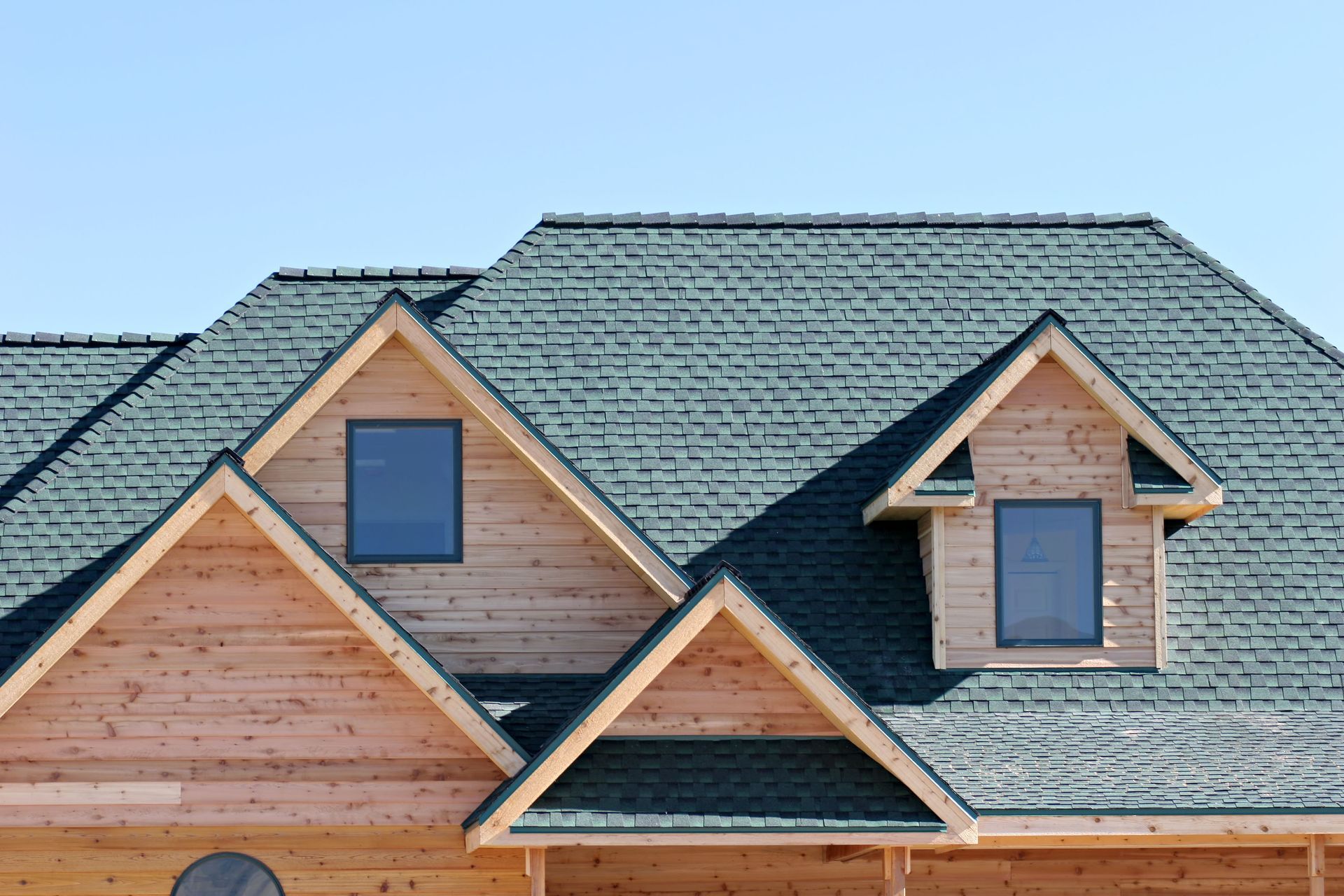
One of the most popular choices across the country is asphalt, due to its balance of cost-effectiveness and durability. According to RubyHome, asphalt shingles are used in roughly 80% of all residential roofing projects in the United States. This staggering statistic highlights the versatility of the material, but even within the category of asphalt, there are various grades. Architectural shingles, for example, are thicker and offer better wind resistance than traditional three-tab shingles. Consulting with a professional roofing contractor during the planning phase ensures you select a grade and style that provides the maximum protection for your specific home.
Ensuring Proper Attic Ventilation and Insulation
Many homeowners are surprised to learn that the longevity of their shingles depends heavily on the environment inside the attic. Without proper ventilation, heat and moisture can become trapped in the space directly beneath the roof deck. During the summer, an overheated attic can bake shingles from the inside out, causing them to become brittle and lose their granules prematurely. In the winter, trapped moisture can condense on the underside of the roof, leading to wood rot, mold, and mildew that compromise the structural integrity of the entire system.
Effective ventilation requires a balanced system of intake vents (usually located at the soffits) and exhaust vents (located at the ridge). This balance creates a continuous flow of air that regulates temperature and humidity. Alongside ventilation, adequate insulation is necessary to prevent heat from escaping the living space and warming the roof deck, which is the primary cause of ice dams. When you hire an experienced roofing contractor, they will perform a comprehensive assessment of your attic to ensure that your roof can breathe, preventing internal climate issues from destroying your external investment.
Maintaining a Regular Inspection Schedule
The best way to prevent a minor issue from turning into a major financial burden is through regular professional inspections. Most experts recommend having your roof checked at least twice a year—once in the spring and once in the autumn. These seasonal checkups allow professionals to identify small problems that are invisible from the ground, such as loose flashing around chimneys, minor shingle curling, or small punctures caused by debris. Detecting these issues early allows for targeted repairs that maintain the waterproof seal of the system.
A professional inspection is also vital after major weather events. High winds, heavy hail, or intense thunderstorms can cause damage that is not immediately apparent to the untrained eye. For example, hail can bruise the shingles, knocking off the protective granules and exposing the underlying bitumen to UV damage. By maintaining a consistent relationship with a trusted roofing contractor, you ensure that your roof is always in peak condition. This proactive approach is significantly more cost-effective than waiting for a leak to manifest inside your home, at which point the damage to the structure is already extensive.
Keeping Gutters and Downspouts Clear
The drainage system of your roof is just as important as the shingles themselves. Gutters and downspouts are designed to channel water away from the roof and the foundation of the home. When gutters become clogged with leaves, twigs, and silt, water can no longer flow freely. This leads to standing water along the roof's edge, which can seep under the shingles and rot the fascia boards and the roof deck. In cold climates, clogged gutters are a major contributor to the formation of ice dams, which can tear gutters away and cause massive leaks.
Professional gutter maintenance ensures that water is always moving in the right direction. It is also important to check that downspouts are discharging water far enough away from the home's foundation to prevent soil erosion and basement flooding. While it may seem like a simple task, the impact of a clear drainage system on the longevity of a roof cannot be overstated. A professional roofing contractor will often check the alignment and attachment of your gutters during a standard inspection to ensure they are properly supporting the roof's drainage requirements.
Managing Overhanging Tree Branches
Trees can add beauty and shade to your property, but if they are positioned too close to your home, they can pose a significant threat to your roofing system. Overhanging branches act as a bridge for pests, such as squirrels and raccoons, which can chew through shingles and vents to enter your attic. Furthermore, branches that touch or rub against the roof during windy conditions act like sandpaper, wearing away the protective granules of the shingles and eventually scouring through the material itself.
Beyond the physical contact, trees drop leaves, needles, and sap onto the roof. These organic materials trap moisture against the shingles and provide a fertile ground for the growth of moss and algae. In severe storms, large limbs can break and fall, causing immediate structural damage. A reputable roofing contractor will usually advise you to trim back any branches that are within six to ten feet of the roof surface. Keeping the area above your roof clear allows for better sunlight exposure, which helps the roof dry quickly after rain and prevents the growth of destructive organisms.
Is your roof ready for the next season? Contact our expert team at Lakeshore Builders Restoration today to schedule a comprehensive professional inspection and ensure your home remains protected for years to come! We'll be happy to answer any questions you may have about our services. Don't wait until it's too late!