June 10, 2026
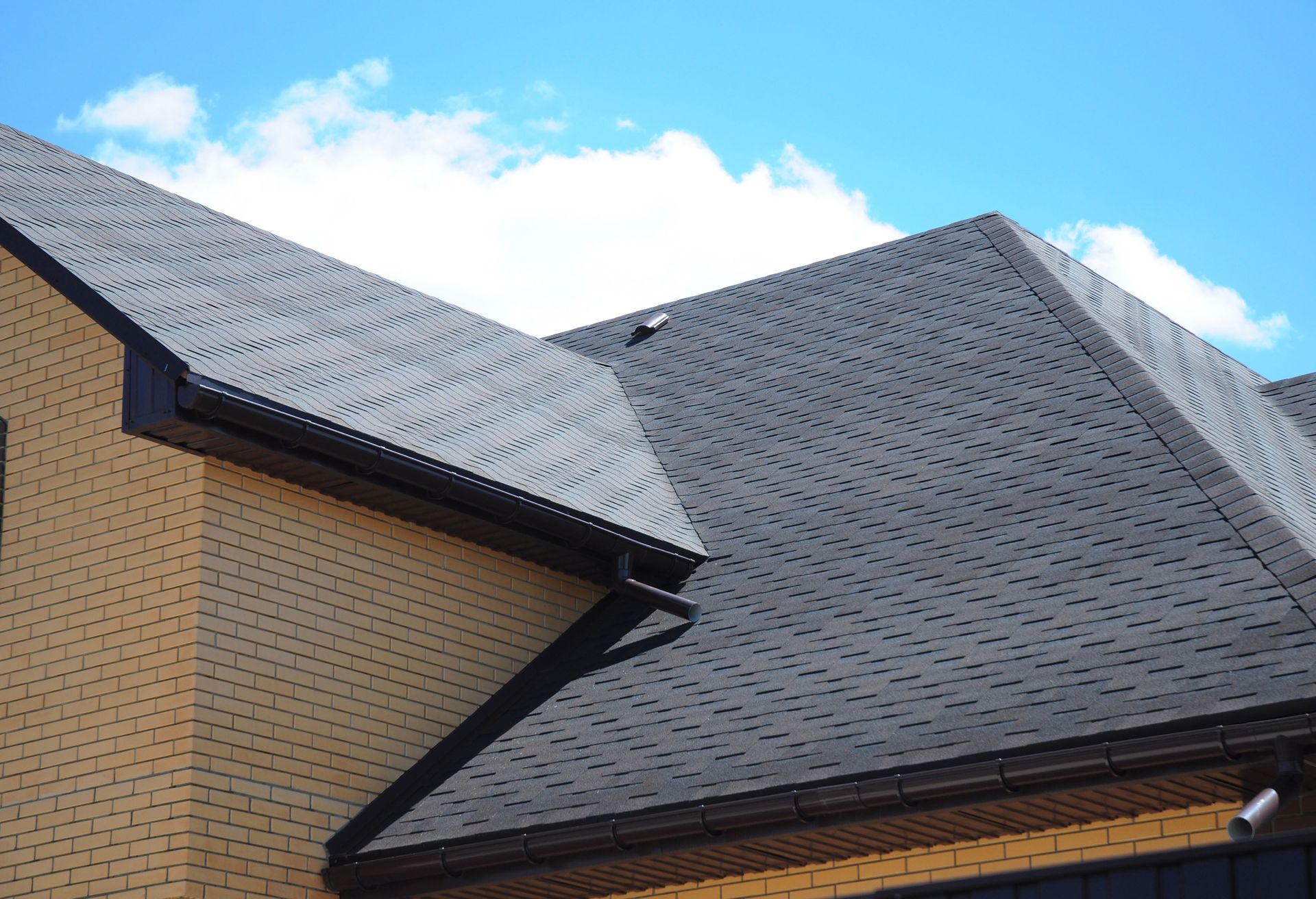
The shelter provided by a home is its most fundamental purpose, and at the very top of that protective shell sits the most critical component of the entire structure. The roof serves as a silent guardian, enduring the relentless bombardment of solar radiation, the lashing of heavy rains, and the weight of winter snow. Because it is often out of sight and out of mind, many homeowners fail to notice the subtle signs of wear that indicate a burgeoning problem. A single missing shingle or a slightly loose piece of flashing might seem insignificant in the grand scheme of property maintenance, but in the world of residential construction, small vulnerabilities are the precursors to massive structural failures.
The progression from a minor nuisance to a full-scale financial emergency is often a slow and insidious process. Water, being the ultimate opportunist, will find even the smallest entry point to begin its path of destruction. Once moisture breaches the outer layer, it begins a chain reaction that compromises insulation, weakens structural timber, and encourages the growth of hazardous organisms. Engaging a professional roofing company for regular inspections is the most effective way to intercept these issues before they escalate. By understanding how minor defects evolve into major liabilities, homeowners can make informed decisions that protect both their families and their long-term financial stability.
Neglecting Minor Shingle Damage
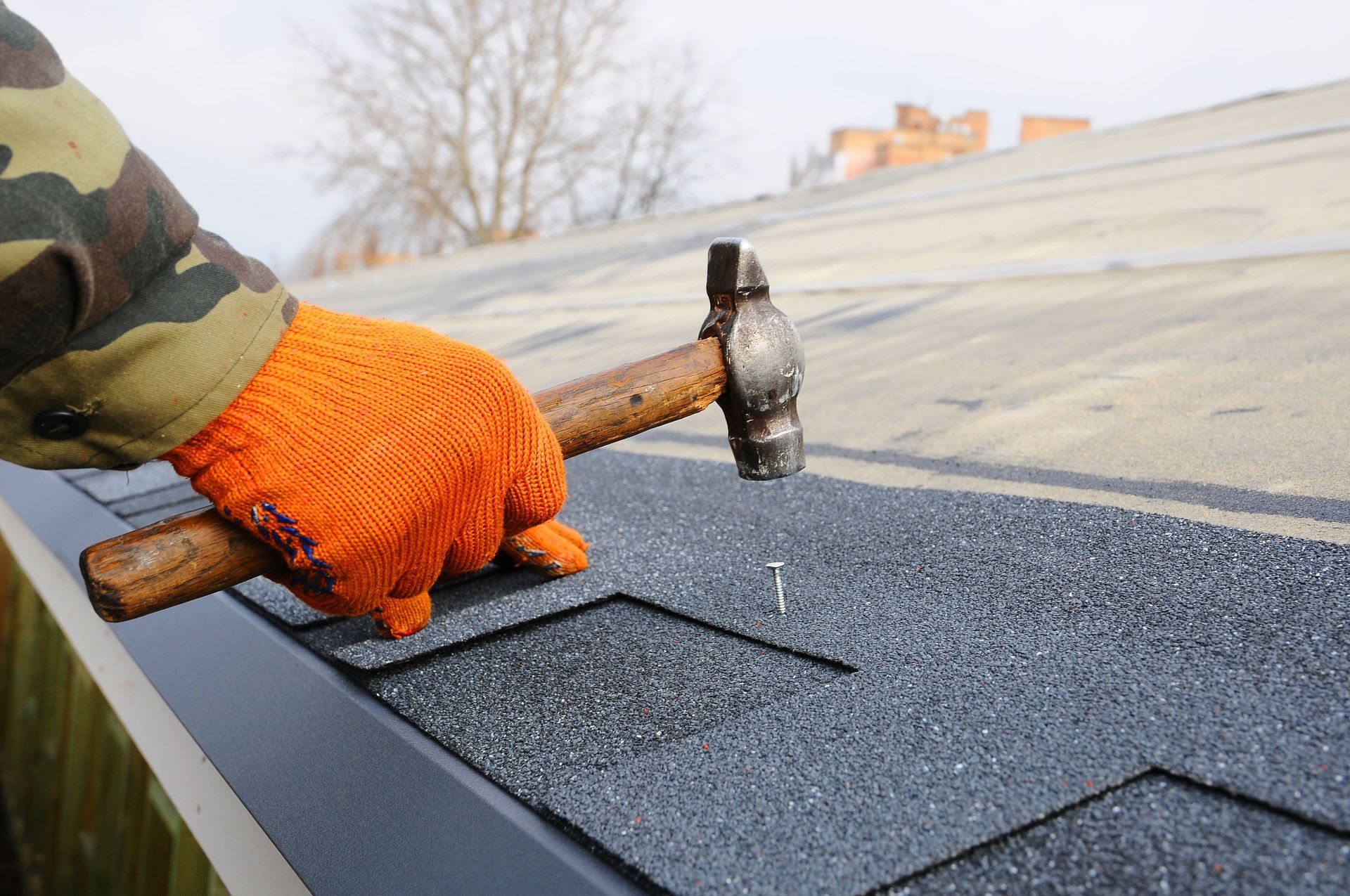
The outer layer of a roof is designed to shed water and reflect heat, acting as the first line of defense against the environment. When high winds or falling debris cause a few shingles to crack or pull away, the underlying waterproof membrane is suddenly exposed to direct sunlight and moisture. Over time, the sun’s ultraviolet rays degrade the material, making it brittle and prone to leaking. If a homeowner ignores these small visual cues, they are essentially allowing a slow-motion disaster to take place. What could have been a simple, localized fix becomes a gateway for water to seep into the roof deck.
As moisture sits beneath the shingles, it causes the wood to swell and soften. This creates a spongy texture that can no longer hold nails securely, leading to even more shingles blowing off during the next storm. A reputable roofing company will often point out that catching these issues early prevents the need for a total tear-off. Constant vigilance regarding the state of the granules and the flatness of the shingles ensures that the home remains watertight. Waiting for a visible ceiling stain to appear usually means that the damage has already moved far beyond the surface level, involving the very bones of the house.
Allowing Gutter Clogs To Persist
Gutters are an essential part of the drainage system, designed to channel thousands of gallons of water away from the foundation and the walls. When leaves, twigs, and silt accumulate, they create a dam that forces water to pool at the very edge of the roof. This standing water often finds its way under the bottom row of shingles and into the fascia boards. Over several seasons, this constant moisture leads to wood rot, which can spread into the rafters and the interior of the attic. The weight of the clogged gutters themselves can also pull them away from the house, creating gaps where water can pour directly onto the siding.
The financial impact of a neglected drainage system extends beyond the roof itself. Water that overflows from clogged gutters can pool around the base of the home, leading to basement flooding and foundation cracks. By maintaining a relationship with a trusted roofing company, homeowners can ensure that their drainage systems are clear and functioning as intended. Prevention in this area is remarkably cost-effective compared to the price of repairing a rotted roof edge or stabilizing a sinking foundation. Clear gutters allow the entire structure to "breathe" and shed moisture effectively, preserving the integrity of the building from the top down.
Ignoring Flashing And Sealant Failures
Flashing is the thin material—usually metal—that is installed around chimneys, vents, and valleys to direct water away from the most vulnerable joints of a roof. These areas are frequent points of failure because they involve the intersection of different planes and materials. Over time, the sealant used to bond the flashing can dry out and crack, or the metal itself can pull away due to the natural expansion and contraction of the house. Even a gap no wider than a blade of grass is enough for water to enter during a driving rainstorm.
Because these leaks often start in inconspicuous places, they can go unnoticed for years. During this time, the water slowly rots the surrounding wood and destroys the effectiveness of the insulation. When a professional roofing company performs an evaluation, they pay special attention to these transition points. The cost of reapplying a high-quality sealant or replacing a small piece of metal is negligible compared to the thousands of dollars required to remediate a mold infestation caused by a slow, persistent leak. The precision required to install flashing correctly makes it one of the most important elements of a durable system.
Failing To Address Attic Ventilation
A roof is more than just the shingles on the outside; it is a system that includes the air space directly beneath it. Proper ventilation is crucial for regulating the temperature of the roof deck and preventing moisture buildup. During the summer, an unventilated attic can reach staggering temperatures, effectively baking the shingles from the underside and shortening their lifespan significantly. In the winter, poor ventilation leads to the formation of ice dams, where heat from the house melts snow on the roof, which then refreezes at the cold eaves, forcing water back under the shingles.
The choice of materials can also influence the longevity and ventilation needs of a structure. For those looking for the ultimate in durability and thermal regulation, modern metal options have become a premier choice. According to This Old House, metal roofing can last an average of 40 to 70 years. Regardless of the material, a roofing company must ensure that intake and exhaust vents are balanced. This prevents the "attic rain" effect, where moisture from the living space condenses on the cold underside of the roof, leading to rot and mold. Proper airflow is the "secret ingredient" that ensures a roof reaches its full potential.
Overlooking Small Interior Stains
One of the most common mistakes a homeowner can make is assuming that a small, faint discoloration on a ceiling is merely a cosmetic issue. In reality, a stain is the final stage of a long journey that water has taken through the roof, the insulation, and the drywall. By the time a spot is visible, the materials above it are likely saturated. If the stain appears only during heavy storms or when snow is melting, it indicates an intermittent leak that is consistently feeding moisture into the dark, warm spaces of the attic. Delaying the call to a roofing company only allows the problem to grow. Damp insulation loses its ability to regulate temperature, leading to higher energy bills month after month.
At Lakeshore Builders Restoration, we are dedicated to preserving the integrity of your home through expert craftsmanship and a collective commitment to excellence. We stand ready to help you navigate the maintenance of your property, ensuring that your roof remains a durable and reliable shield against the elements for many years to come.